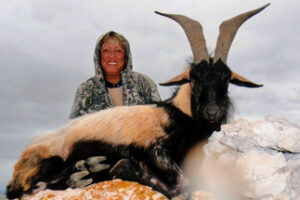
Dalmatian Wild Sheep this species is endemic to the Dalmatian Islands off the coast of Croatia, specifically inhabiting steep, shrub-covered mountains. Originally utilized as domestic animals by islanders in the 16th and 17th centuries, they were left behind during an 18th-century drought when inhabitants migrated to the mainland. They have since become totally wild and are notoriously difficult to hunt in the thick shrubbery.
Location
- Native habitat: this species is endemic to the Dalmatian Islands off the coast of Croatia, specifically inhabiting steep, shrub-covered mountains.
- Specific distribution: currently, scientists only recognize pure populations on the islands of Dugi Otok and Otok Plavnik.
- Official status: these areas are declared free of domestic or feral sheep by the Croatian government to protect the wild populations.
Description
- Size: males stand 28–32 inches at the shoulder and weigh 80–120 pounds. Females are significantly smaller.
- Physical Features: they possess very heavy, woolly hair that is mostly whitish in color.
- Skin & Face: dark spots are typically present on the face and skin.
Remarks
- History: originally utilized as domestic animals by islanders in the 16th and 17th centuries, they were left behind during an 18th-century drought when inhabitants migrated to the mainland. They have since become totally wild and are notoriously difficult to hunt in the thick shrubbery.
- Behavior: they are gregarious animals; females and young form year-round flocks, while mature males form separate groups or remain solitary if very old.
- Reproduction: males battle for dominance during the mating season, and lambs (usually twins) are born after a five-month gestation period.
- Diet & Activity: primarily a grazer that also browses, the sheep is most active at dusk and rests in cover during the heat of the day. They are alert, wary, and fast runners.
- Conservation: to manage high population numbers, the government established a culling program. However, following intervention from hunting associations like the SCI Hrvatska Chapter, a formal hunting and conservation plan was adopted.